Understanding HOA Regulations for Artificial Grass in Riverside
If you own a home in a homeowners association (HOA) community in Riverside, you've likely encountered the CC&Rs (Covenants, Conditions, and Restrictions) that govern everything from paint colors to landscaping choices. Artificial grass has become increasingly popular among homeowners looking to reduce water usage and maintenance, but many HOAs maintain strict rules about what can and cannot appear in front yards. Understanding these regulations before you invest in Residential Artificial Grass Installation is crucial to avoiding costly mistakes.
Many HOAs in Riverside were established decades ago when artificial turf looked noticeably plastic and artificial. As a result, some older CC&Rs contain blanket prohibitions on synthetic lawns. However, modern artificial grass technology has evolved dramatically, with products now featuring realistic textures, natural color variations, and drainage systems that mimic real grass. Some forward-thinking HOAs have updated their bylaws to permit high-quality artificial grass, recognizing both the environmental and financial benefits. The key is determining where your specific HOA stands and what approval process you'll need to follow.
Front Yard Artificial Grass Rules: What Most HOAs Require
Front yard landscaping is almost always subject to HOA scrutiny because it directly impacts the curb appeal and property values of the entire community. When it comes to artificial grass in front yards, most HOAs fall into one of three categories: those that prohibit it entirely, those that allow it with approval, and those that actively encourage it. The rules vary significantly depending on when your HOA was established and how recently it has updated its architectural guidelines. Some HOAs in California focus on maintaining a 'natural appearance' standard, which can be interpreted to mean no synthetic materials, while others specify minimum pile heights, color ranges, and drainage requirements that quality artificial grass must meet.
If your HOA allows artificial grass, they typically require it to look as natural as possible and maintain specific aesthetic standards. Many HOAs stipulate that artificial grass must be a certain shade of green, cannot have a shiny appearance, and must include proper drainage to prevent water pooling. Some communities also require that artificial grass installations include edging to clearly define lawn areas and prevent the turf from looking unkempt. Front yard installations are subject to more scrutiny than backyard projects, so expect your HOA to examine samples, request product specifications, and potentially conduct a site inspection before and after installation. Understanding these nuances before you begin the approval process will save you time and frustration.
The HOA Submittal and Approval Process for Artificial Turf
Before installing artificial grass in your front yard, you'll need to submit an architectural change request to your HOA. This process typically begins by contacting your HOA's architectural committee or management company to request the formal application. Most HOAs require you to provide detailed information about the project, including the product specifications, installation timeline, contractor information, and site photos. You'll likely need to submit samples of the artificial grass you plan to install so the committee can assess whether it meets the community's aesthetic standards. Some HOAs also require a site plan showing the exact area to be covered and how it will be edged or bordered.
The approval timeline can vary widely, typically ranging from two to six weeks depending on how quickly the architectural committee meets and reviews submissions. To expedite the process, provide comprehensive documentation upfront, including high-resolution product photos, manufacturer specifications, and any relevant certifications. If your HOA has previously approved artificial grass installations, ask for examples so you can understand what style and quality level they prefer. Some HOAs may request modifications, such as a specific edging material or color adjustment, before granting final approval. Once you receive written approval, keep a copy on file and provide it to your installer. Riverside Turf Installation can help guide you through this process and provide all necessary product documentation to support your HOA submittal.
Common HOA Objections to Artificial Grass and How to Address Them
Even though artificial grass technology has improved dramatically, some HOA committees remain skeptical about synthetic lawns. The most common objection is that artificial grass looks plastic or fake, particularly older generations of turf that had a glossy appearance and uniform color. Modern artificial grass, however, features sophisticated manufacturing techniques that create realistic blade texture, natural color variation, and a matte finish that closely resembles premium sod. When presenting your case to your HOA, bring samples of current-generation products and be prepared to discuss the specific features that make them look natural. Photographs of similar installations in comparable communities can be powerful persuasion tools.
Another frequent concern is drainage and water management. HOAs worry that artificial grass will trap water, create standing pools, and harbor mold or mildew. Quality artificial grass systems include sophisticated drainage layers that actually surpass natural grass in water management. The turf allows water to permeate through the backing and into the base layer, where it drains away efficiently. When submitting your proposal, include technical specifications about the drainage system, backing material, and any additional features like antimicrobial treatments. Some HOAs also express concerns about heat retention in hot climates like Riverside, but premium artificial grass products are specifically designed to reflect heat and remain cooler than standard synthetic alternatives. Addressing these concerns with factual information and product specifications significantly improves your chances of approval.
Working with Professional Installers: Why HOA Approval Matters
Hiring a professional installation company like Riverside Turf Installation offers significant advantages when navigating HOA requirements. Experienced installers understand regional HOA standards, know which products typically receive approval, and can provide all necessary documentation to support your submittal. They can also advise you on installation methods that maximize drainage, ensure proper edging, and create the most natural appearance possible. When you work with professionals who have completed multiple HOA-approved installations in Riverside, you benefit from their familiarity with local architectural committees and their understanding of what these boards typically require.
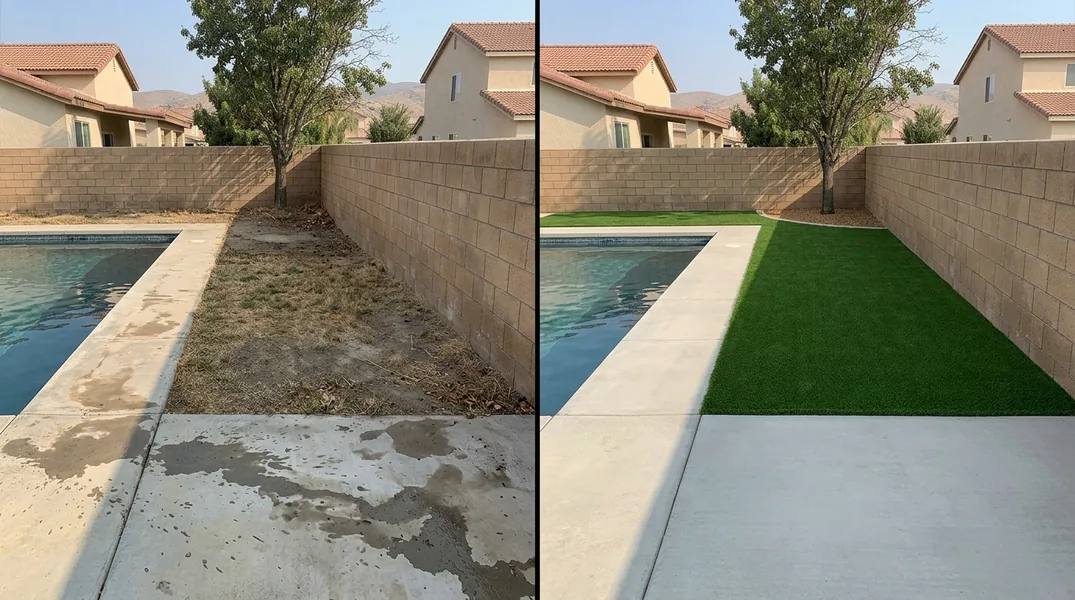
Professional installers can also help you select the right product for your specific situation. They understand the differences between various artificial grass grades, pile heights, and materials, and can recommend options that balance quality, durability, and HOA compliance. Many contractors can provide before and after photos of similar projects, reference materials from satisfied customers, and technical specifications that address common HOA concerns. This professional support can mean the difference between approval and rejection. If you're ready to explore artificial grass for your front yard and need guidance through the HOA process, contact Riverside Turf Installation at (951) 783-3353 to discuss your project and get a free estimate.
Alternative Solutions if Your HOA Prohibits Front Yard Artificial Grass
If your HOA's CC&Rs strictly prohibit artificial grass in front yards, you still have options. Many homeowners successfully petition their HOAs to update outdated landscaping rules, particularly when they can demonstrate environmental benefits and present high-quality product samples. Organizing with neighbors who share your interest in artificial grass can strengthen your case. You might also propose a compromise, such as using artificial grass only in specific areas like side yards or around foundation plantings, which may face less scrutiny than full front lawn replacements. Some HOAs are more receptive to artificial grass for drought-prone regions when presented as a water conservation measure, which is particularly relevant in California.
If front yard installation isn't possible, consider Pet Turf & Dog Run Installation or Pool Surround Turf in your backyard, which typically faces fewer restrictions. Backyard projects allow you to enjoy the benefits of artificial grass without HOA interference, and they can significantly enhance your outdoor living space. You might also explore Putting Green Installation as a specialty feature that some HOAs find more acceptable than general lawn replacement. Whatever your situation, Riverside Turf Installation can help you find creative solutions that work within your community's guidelines while still achieving your landscaping goals.
Looking for a professional artificial grass installation company in Riverside? Riverside Turf Installation responds fast for all your artificial grass installation needs.
Get a Free Quote